




Why is Artificial Grass Called as Fake Grass?
The question of why synthetic grass is frequently referred to as "fake grass" or "artificial turf" is a common inquiry among property developers, architects, and sports facility investors today. To clarify these concepts, artificial grass is a high-tech surface engineered from synthetic fibers designed to replicate the look, feel, and performance of natural turf. The primary evolutionary purpose of modern synthetic grass is to eliminate the severe climatic, maintenance, and durability limitations associated with natural lawns.
The terminology "fake grass" historically stems from early-generation products that merely imitated the green aesthetic using basic plastic materials. Early versions were highly abrasive and unsuitable for rigorous activities like football. However, massive manufacturing innovations have transformed the industry. Today’s third and fourth-generation synthetic turf models are woven from premium polyethylene (PE) and polypropylene (PP) yarns, reinforced with specialized backing, and filled with silica sand and rubber granules. This advanced composition is officially approved by global governing bodies like FIFA, making it a staple for elite professional sports competitions worldwide.
Technical Specifications of Premium Synthetic Grass
When sourcing synthetic grass for commercial landscape architecture or sports field construction, understanding the raw material specifications is vital for ensuring long-term return on investment (ROI). Below is the structural data sheet for standard premium turf applications engineered by Integral Turf:
| Technical Component | Landscape Applications | Sports Applications (Football/Padel) |
|---|---|---|
| Yarn Material | Polyethylene (PE) + Polypropylene (PP) Straight & Curled | 100% Monofilament Polyethylene (PE) with UV protection |
| Pile Height Range | 20mm to 45mm | 40mm to 60mm (Football) / 10mm to 15mm (Padel) |
| Dtex (Yarn Density) | 6,600 to 8,800 Dtex | 8,800 to 12,000+ Dtex |
| Backing Type | UV Resistant PP cloth + Mesh + Polyurethane (PU) / Latex | Reinforced Double PP + Polyurethane (PU) Coating |
| Drainage Capacity | Approx. 60 liters / minute / m² | Exceeds 60 liters / minute / m² (with perforation) |
Key Advantages of Modern Artificial Grass Systems
The global surge in demand for synthetic turf across residential, commercial, and municipal projects is directly linked to its operational and financial advantages over natural ecosystems:
-
Drastically Reduced Maintenance: Unlike natural grass, which demands continuous irrigation, routine mowing, weeding, and chemical fertilization, synthetic grass requires virtually zero operational upkeep. This eliminates ongoing landscaping labor costs.
- Extreme Weather Resistance & Durability: Premium synthetic fibers are treated with advanced UV stabilizers. This ensures the turf maintains its vibrant green color, tensile strength, and structural integrity under freezing winter climates or intense desert heat.
- High Cost-Efficiency and Long-Term Savings: While the initial installation requires capital, the reduction in water bills, pesticide costs, and maintenance equipment provides a rapid amortization rate. Investors gain a flawless green aesthetic 365 days a year without operational drainage on resources.
- Versatile Application Capabilities: Synthetic turf can be flawlessly installed over concrete, asphalt, or compacted crushed stone bases, expanding architectural freedom for rooftops, indoor arenas, and arid urban zones.
Disadvantages of Low-Quality Turf & Poor Installation
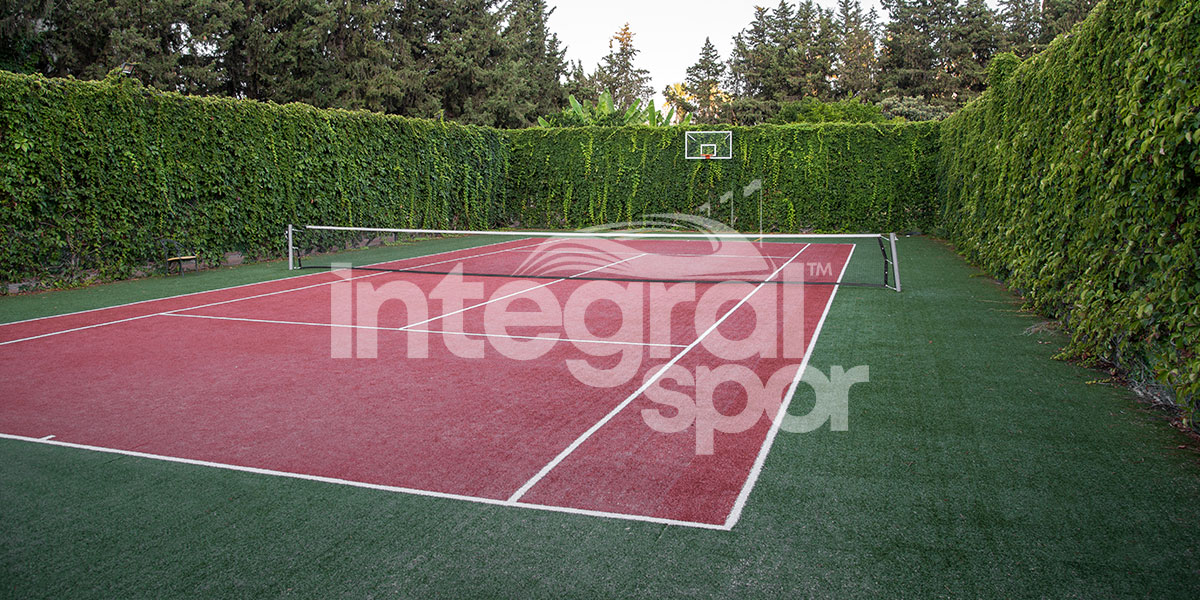
While the benefits are extensive, buyers must be aware of potential challenges, which are almost entirely mitigated by choosing premium manufacturers and certified assembly crews:
- Thermal Retention (Surface Heating): Synthetic materials naturally absorb heat when exposed to direct, intense sunlight. However, this is easily managed. Lightly sprinkling water across the surface instantly cools the turf via evaporation, restoring player and pedestrian comfort.
- Risks of Inexpert Workmanship: If the ground sub-base preparation is unlevel or the joint seaming tapes are incorrectly glued, visible gaps, shifting rolls, and premature tearing will occur. Professional engineering teams are required to ensure invisible seams and optimal surface planarity.
Critical Factors in Professional Synthetic Grass Installation
Although DIY options exist for small residential spaces, large-scale synthetic grass installation for sports complexes or public parks requires industrial-grade machinery and expert engineering. The deployment phase involves complex logistical steps:
-
Logistics and Roll Weight Management: Commercial turf rolls are exceptionally heavy, often exceeding several hundred kilograms. Safe transport, unloading, and unrolling require specialized turf handlers and multi-person crews.
- Precision Cutting and Pattern Alignment: To guarantee a natural appearance, rolls must be cut with exact precision along the gauge line, and the pile direction of every adjacent roll must face identical coordinates.
- Advanced Seaming and Gluing: Utilizing high-grade polyurethane two-component adhesives and heavy-duty geotextile jointing tapes is mandatory to withstand high shear forces from athletic movements.
When executed correctly, premium synthetic turf from reputable manufacturers carries an official product warranty ranging from 5 to 8 years, with an operational lifespan reaching up to 15 to 20 years depending on usage intensity.
Diverse Usage Areas of Synthetic Turf
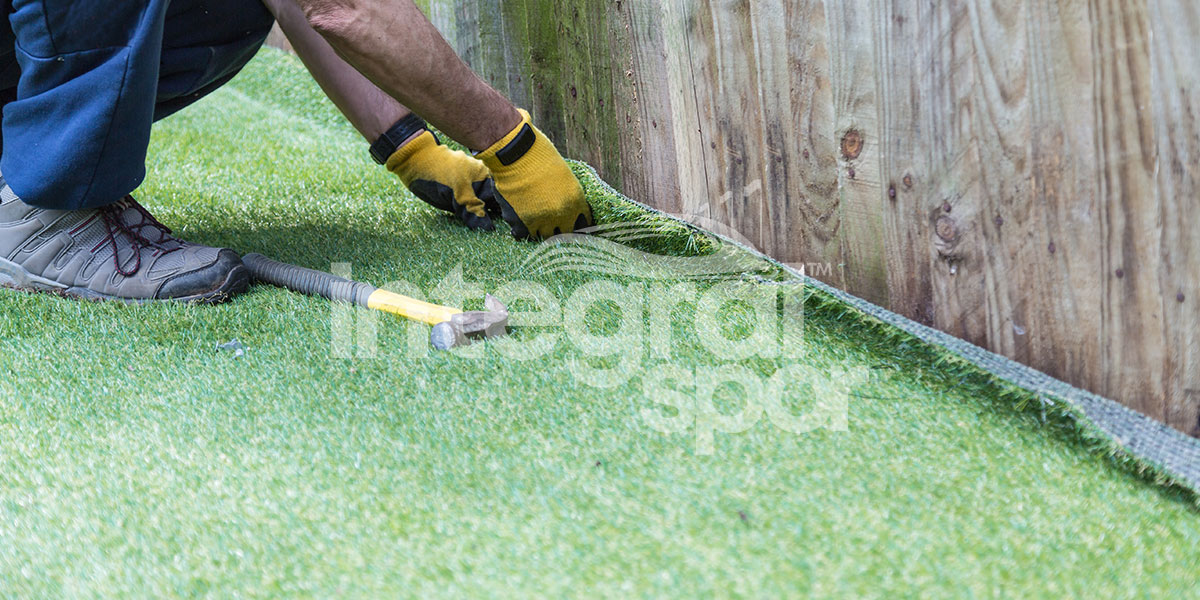
Due to its versatile engineering, synthetic grass models are structured differently depending on their intended application environment:
- Sports Infrastructure: Multi-purpose fields, FIFA-certified soccer pitches, padel tennis courts, golf putting greens, and indoor training facilities.
- Urban Landscape Architecture: Public parks, highway medians, municipal roundabouts, and commercial building perimeters.
- Leisure & Residential Extensions: Luxury villa gardens, swimming pool surrounds, hotel recreational zones, as well as high-rise apartment balconies and terraces where weight limits prevent natural soil placement.
Turnkey Synthetic Grass Prices and Project Cost Calculation
Understanding the exact synthetic grass cost requires a comprehensive assessment of project-specific variables. Pricing is never fixed; it fluctuates based on total square meterage, chosen pile height, stitch rate, Dtex fiber weight, and localized civil engineering requirements (such as grading, concrete border beams, and sub-base drainage systems).
At Integral Spor and our specialized global division Avengrass, we mitigate risk for our clients by providing end-to-end consulting, manufacturing, shipping, and turnkey installation services. Avoiding installation flaws protects your initial capital and guarantees a sustainable, high-performance project. For personalized architectural blueprints, specific material factory pricing, and global delivery schedules, contact our multilingual engineering experts today. Reach our international headquarters directly at +90 212 678 13 13 or submit an inquiry through our official portals to receive a technical quote within 24 hours.
Other News
23/10/2026
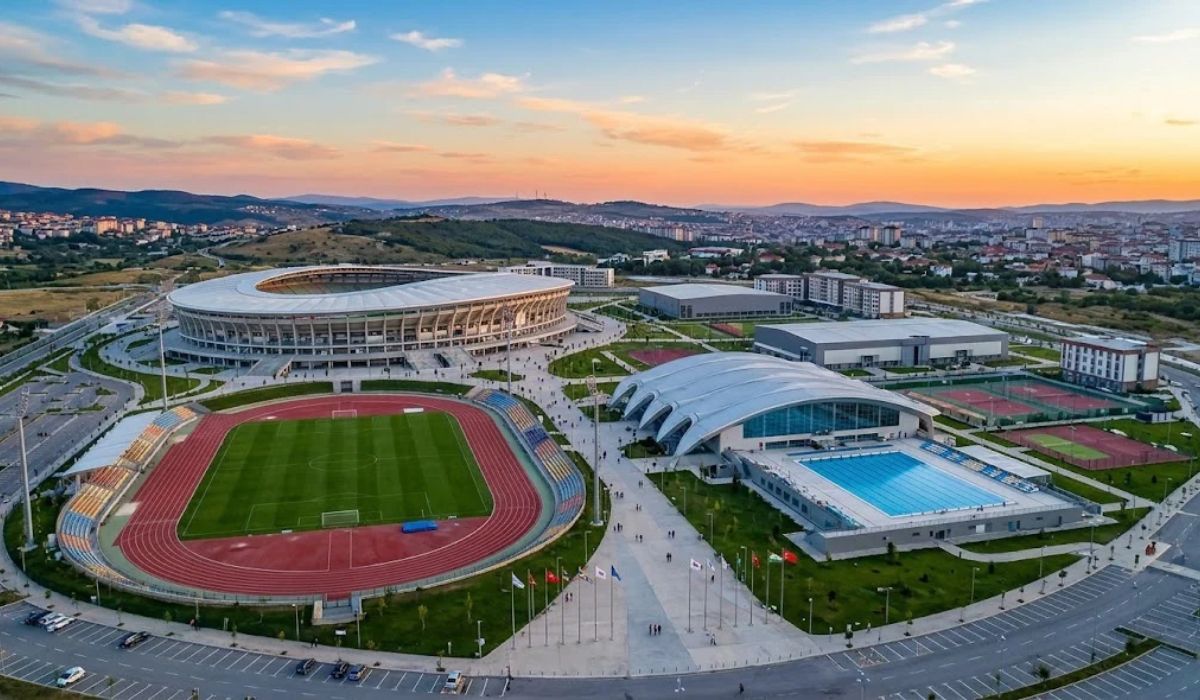
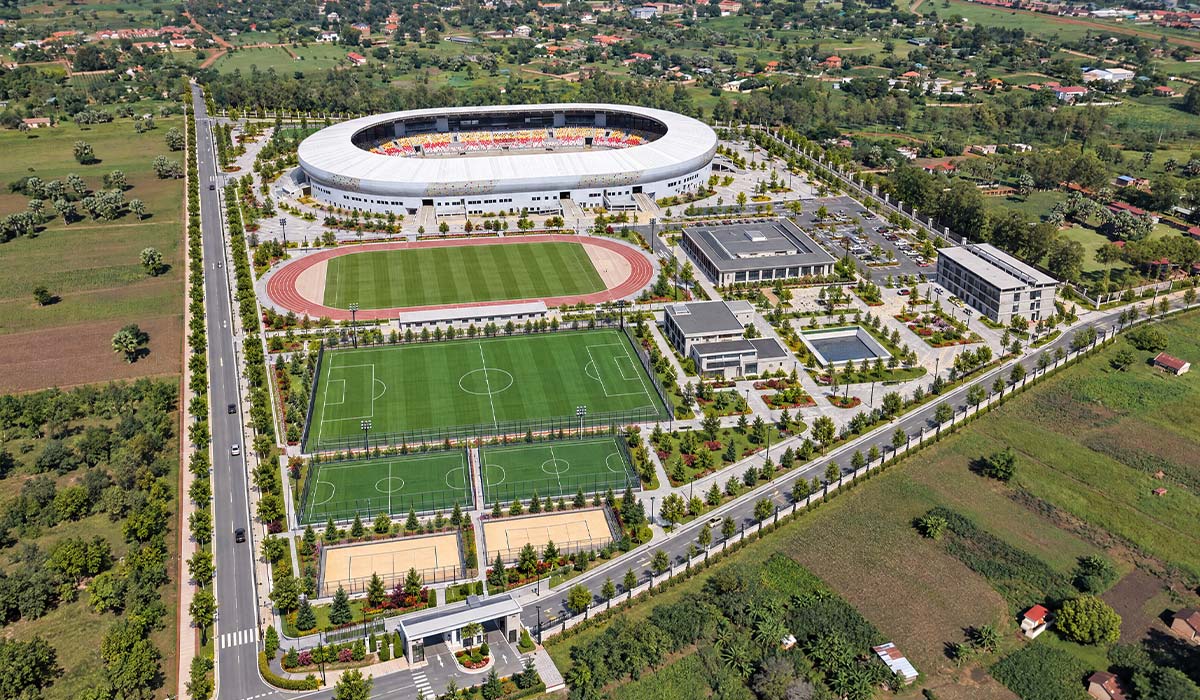
An Olympic sports complex typically includes a stadium, an athletics track, an Olympic swimming pool, indoor sports halls, outdoor fields and courts, plus stands, locker rooms and supporting infrastructure. The full list varies with the project's purpose, the sports hosted and the size of the site.
21/10/2026
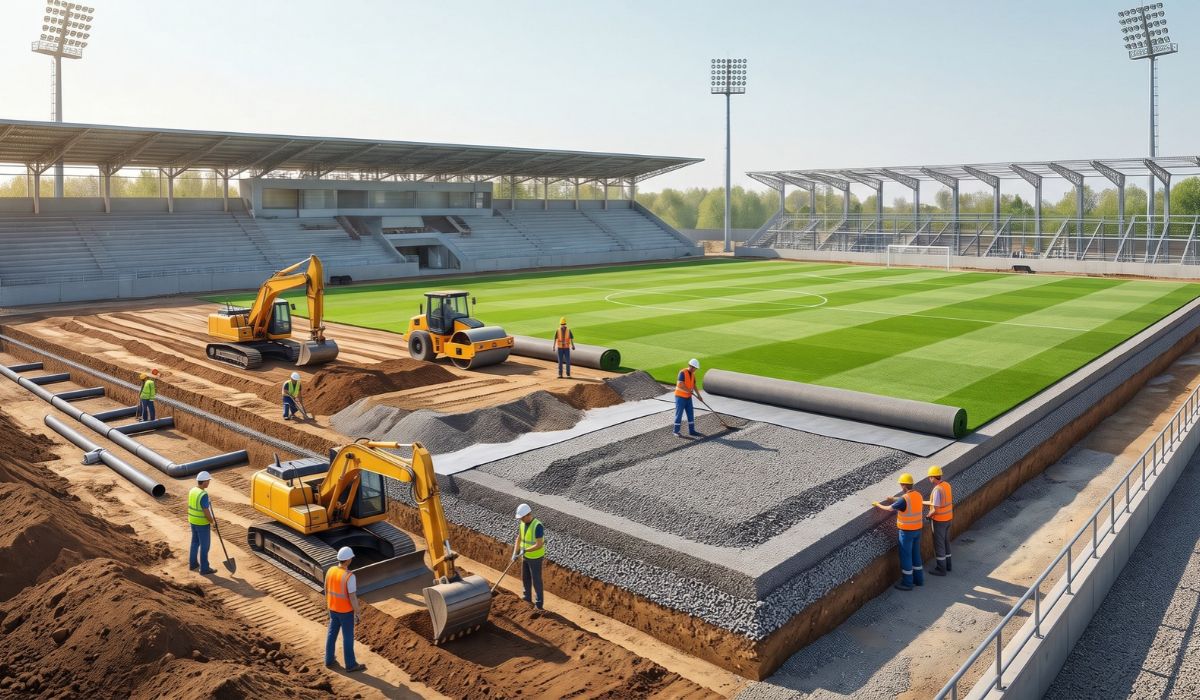
Football field base construction involves a soil survey, excavation and grading, drainage lines, compacted crushed stone load-bearing layers and a smooth fine-grading layer. Artificial, natural or hybrid turf is then installed on top. Layer thicknesses vary with the soil, the project design and the product manufacturer's specification.
15/10/2026
Bring irrigation, lighting, energy, and security together in a single system with AI-powered smart stadium construction. Discover smart transformation with Integral Spor.

09/09/2026
Flag football is heading to the Olympics in 2028. Here is what investors need to know about field dimensions, construction requirements and the factors that drive cost.
08/09/2026
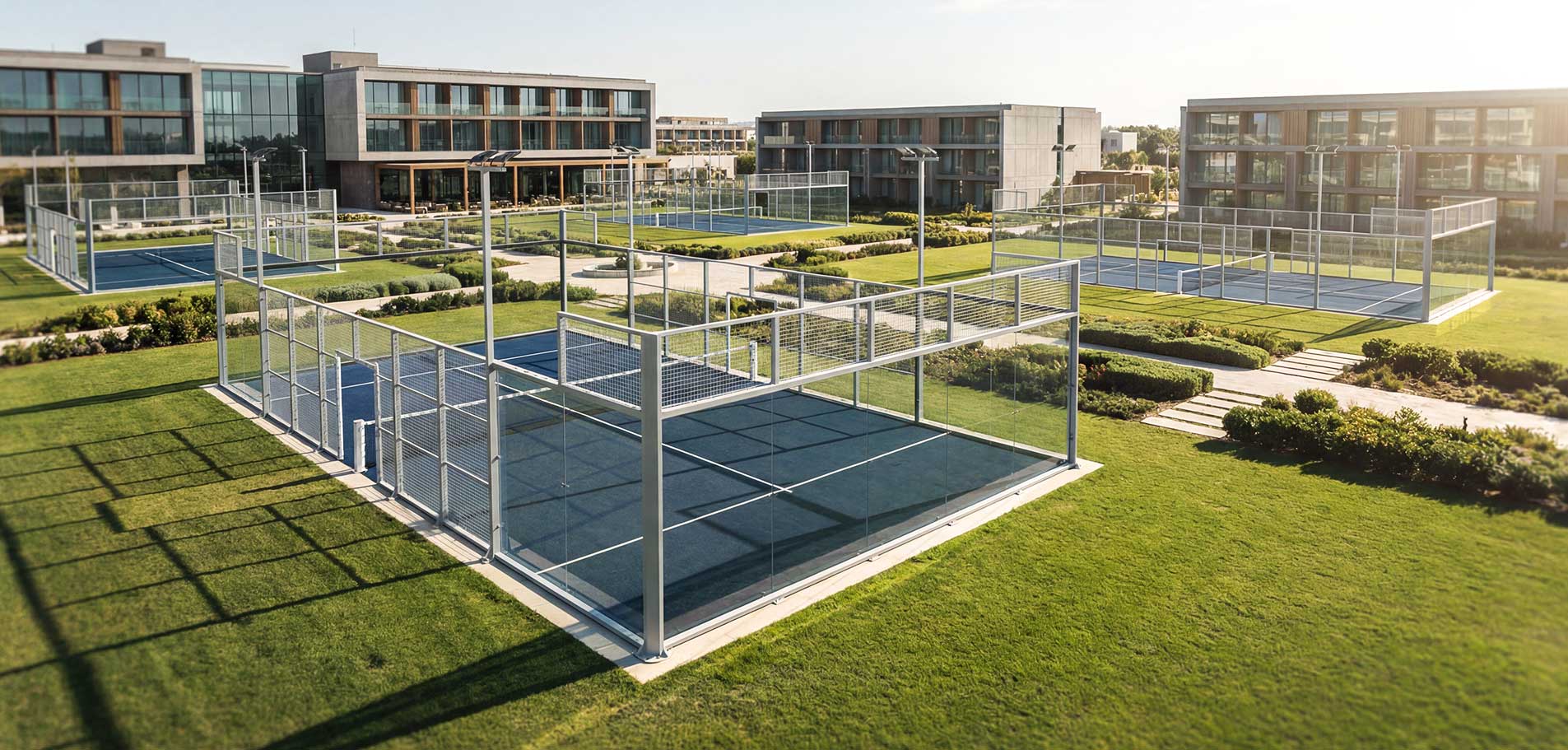
Converting an unused tennis court into a padel court turns space you already own into a new investment opportunity. Here is how the conversion works, what it costs, and which court type fits your site.
19/08/2026
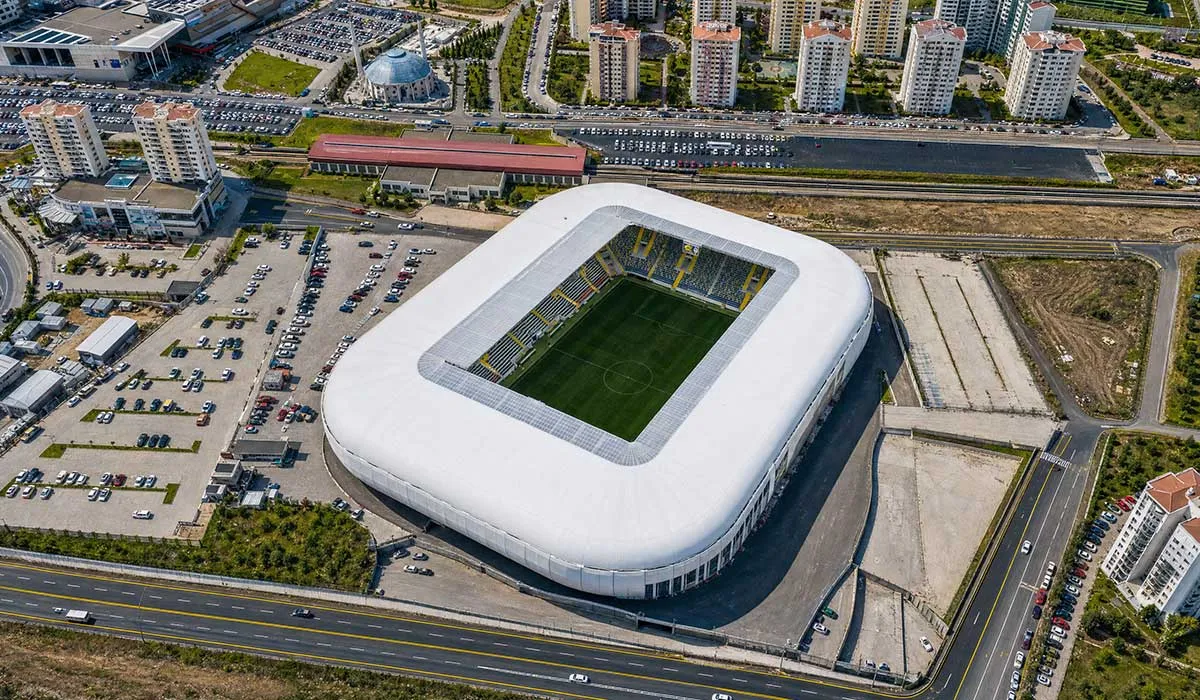
Renovation, modernization and capacity expansion for existing sports facilities, from stadiums to indoor arenas. Discover how the right engineering can take your venue to the next level.