


Padel Court Manufacturers and Construction Costs
Padel tennis (or paddle tenis) has been gaining immense popularity lately. Padel tennis is a high-paced racket sport that can be described as a dynamic mixture of tennis and squash. This sports activity, which is an ideal game for players of all ages and abilities, has become one of the fastest-growing sports industries all around the world nowadays. In this comprehensive guide, we are going to explain the padel tennis rules, technical specifications, padel court manufacturers, structural components, and turnkey construction costs.
Where Is The Padel Tennis Played Mostly?
Padel was designed in Mexico in the 1970s and was created by Enrique Corcuera. According to historical sports records, Corcuera wanted to build a regulation tennis court within his property, but due to limited space, he innovated a smaller court enclosed by walls. Padel was then exported to Spain, where it evolved into a massive industry. Today, Spain boasts more active padel players than traditional tennis players. This sport is highly social and is almost exclusively played in doubles (two groups of two).
Moreover, this sports activity is quite simple to learn and understand its regulations, making it highly accessible without extensive coaching. The padel court is significantly smaller than a standard tennis court and is fully enclosed by certified tempered glass walls and steel mesh. Padel focuses less on raw strength and more on tactical positioning, endurance, and mental strategy. While extremely dominant in Spain and Argentina, padel construction demands have skyrocketed in Uruguay, Brazil, the UAE (Dubai), the UK, Germany, France, and Sweden.
Standard Padel Court Dimensions & Structural Components
To build a professional-grade facility that complies with the International Padel Federation (FIP) standards, specific architectural dimensions and materials must be used. Unlike standard tennis facilities, a padel court relies heavily on structural steel, safety glass, and specialized synthetic turf to ensure correct ball bounce and player safety.
Technical Specifications of a Standard Padel Court
Below is the technical data sheet provided by Integral Spor for professional indoor and outdoor padel court installations:
| Structural Element | Standard Specification (FIP Compliant) | Material / Details |
|---|---|---|
| Total Dimensions | 10 meters (Width) x 20 meters (Length) | Clear playing area inside the walls. |
| Total Area Required | 200 square meters (minimum) | Excluding perimeter safety clearance zones. |
| Glass Walls | 10mm to 12mm Thickness | Tempered safety glass with countersunk holes. |
| Steel Frame Structure | 80x80mm or 100x100mm profiles | Galvanized steel with electrostatic powder coating. |
| Mesh Panels | 50x50x4mm electro-welded mesh | Anti-injury frame design to prevent skin abrasions. |
| Lighting System | 4x 200W or 8x 100W LED Projectors | Optimal lux distribution without creating glare for players. |
How Is Padel Tennis Played? (Basic Rules)
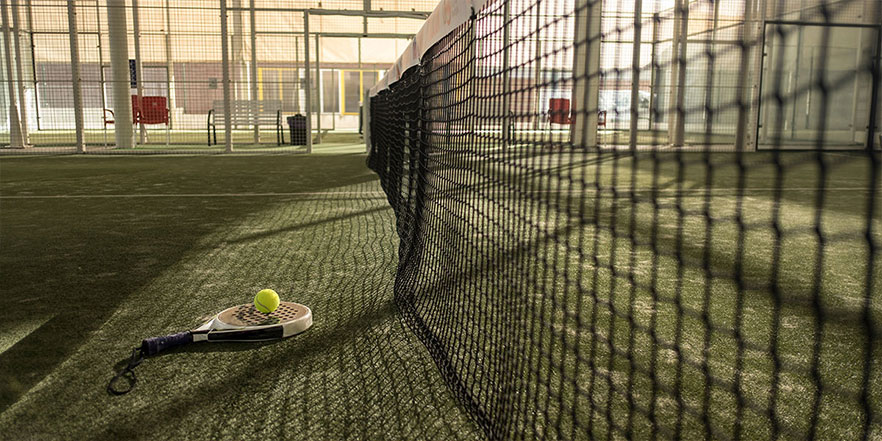
Padel is a fast-moving team sport that requires supreme coordination, quick reflexes, and spatial awareness. Jumping, volleys, aggressive attacking smashes, and wall-rebound defending are just some of the actions performed in a padel match. It is an excellent athletic discipline if you want to improve your lower body strength, agility, and cardiovascular fitness.
The field for this game is a 20x10-meter rectangle separated by a central net. Unlike tennis, the service must be hit underhand (at or below waist level) and must bounce in the opponent's cross-court service box. Similar to tennis, scoring follows the 15, 30, 40, and game format, played in best of three sets. However, the unique element is that the walls are active components of the game. After a ball bounces on the court floor, it can strike the glass walls or metallic mesh and still be played back over the net, creating long, thrilling rallies that keep players engaged.
Is Padel Tennis Popular in Dubai and the Middle East?
Like many sports hubs all around the world, Dubai (UAE) has been leading the Middle Eastern boom in padel court developments. Because this sports activity does not require a massive footprint, luxury resorts, private estates, and commercial fitness centers can maximize their land ROI by installing multiple padel structures. Furthermore, the specialized synthetic flooring system is highly durable against extreme desert temperatures and humidity when compared to high-maintenance natural clay or grass courts.
When calculating padel court installation costs, investing in premium materials saves significant maintenance capital in the long term. In Dubai and the broader GCC region, institutional buyers trust elite contractors to deliver heat-resistant infrastructure. Integral Group, operating from its advanced manufacturing facilities in Turkey, has become a premier exporter of FIP-standard courts to the UK, UAE (Dubai), Spain, Italy, Qatar, Saudi Arabia, , France, and Sweden, offering turnkey global shipping and installation services.
What Are the Features of Premium Padel Turf?
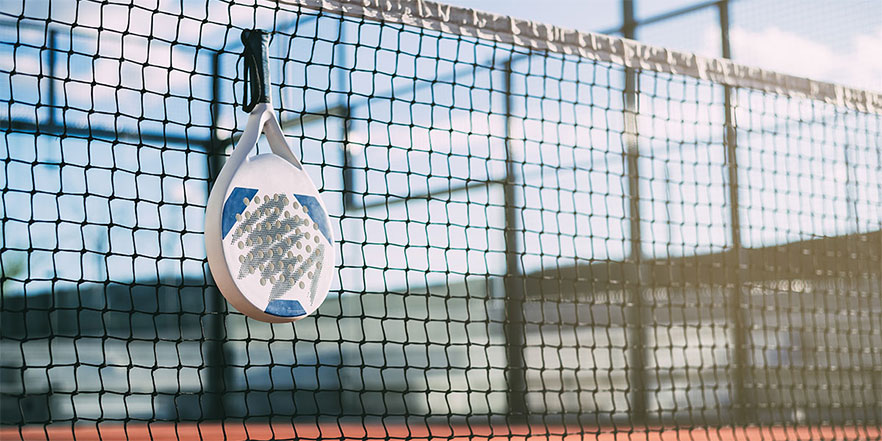
Engineered by Integral Group, specialized padel turf features an advanced monofilament or textured (fibrillated) structure. It is fundamentally different from standard landscaping artificial grass. This texturized fiber structure mimics the pristine ball-bounce performance of natural courts while offering superior structural longevity.
Comparison: Monofilament vs. Texturized Padel Turf
Choosing the right synthetic grass affects both player experience and the amount of silica sand infill required:
| Turf Type | Fiber Structure | Sand Infill Requirement | Main Advantage |
|---|---|---|---|
| Fibrillated / Texturized Turf | Curled, textured fibers | Low (Sand is locked inside the curls) | Consistent ball bounce, less maintenance, uniform look. |
| Monofilament Turf | Straight, individual blades | Medium to High (Requires regular brushing) | Excellent foot traction, highly durable under heavy usage. |
Key advantages of Integral Padel Turf include:
- UV Stability: Formulated to withstand extreme UV rays, preventing color fading and fiber degradation in hot climates like Spain and Dubai.
- Optimal Ball Rebound: The dense pile composition ensures uniform angular ball bounce across the entire surface.
- Weather Resistance: Integrated drainage holes allow rapid rainwater evacuation, making the court playable immediately after heavy rainfall.
- Customization: Manufactured in traditional blue, green, clay red, or custom branded colors according to the client’s architectural theme.
Turnkey Padel Court Construction Cost Factors
The total cost of building a padel court varies based on several project-specific variables. Understanding these components helps project managers budget accurately:
- Sub-base Preparation: A perfectly leveled concrete or asphalt base is mandatory. Proper slope management for water drainage prevents structural shifting.
- Indoor vs. Outdoor Configurations: Outdoor courts require reinforced steel pillars to resist localized wind loads, while indoor courts can utilize lighter frame cross-sections if protected from environmental elements.
- Glass Specifications: Upgrading from 10mm to 12mm panoramic tempered glass increases safety and structural integrity but affects the initial material cost.
- Logistics and Assembly: Global shipping distances, local crane access, and professional installation crews influence the final quotation.
For a tailored, project-specific cost estimation and architectural blueprints, you can contact the technical sales department at Integral Group to receive an immediate consultation.
Other News
23/10/2026
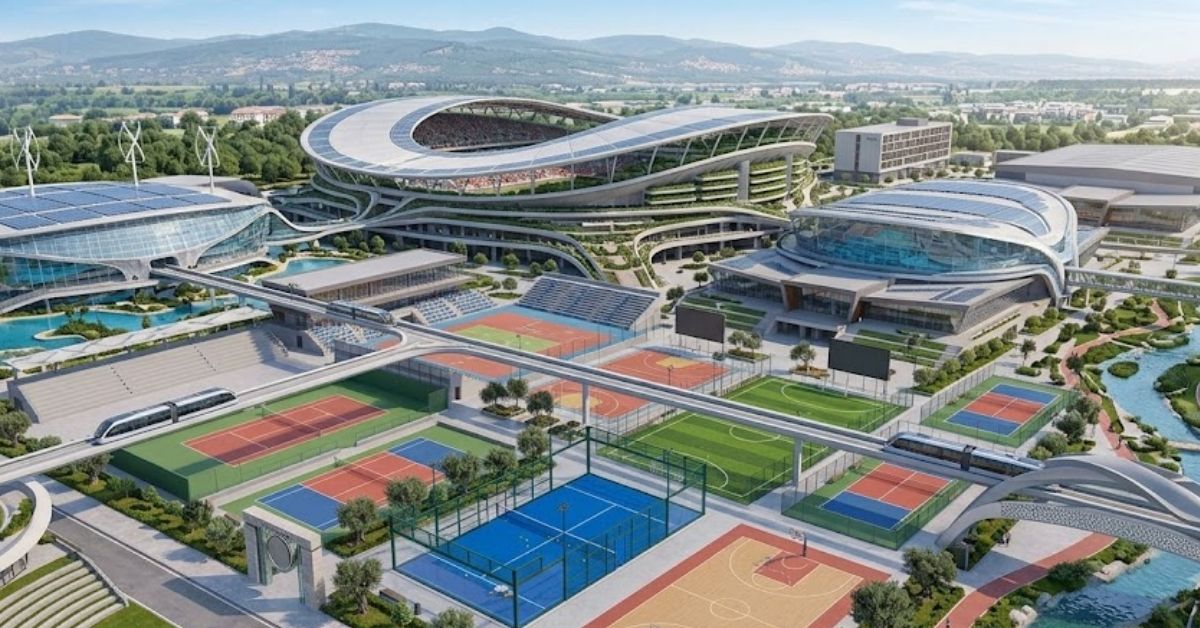
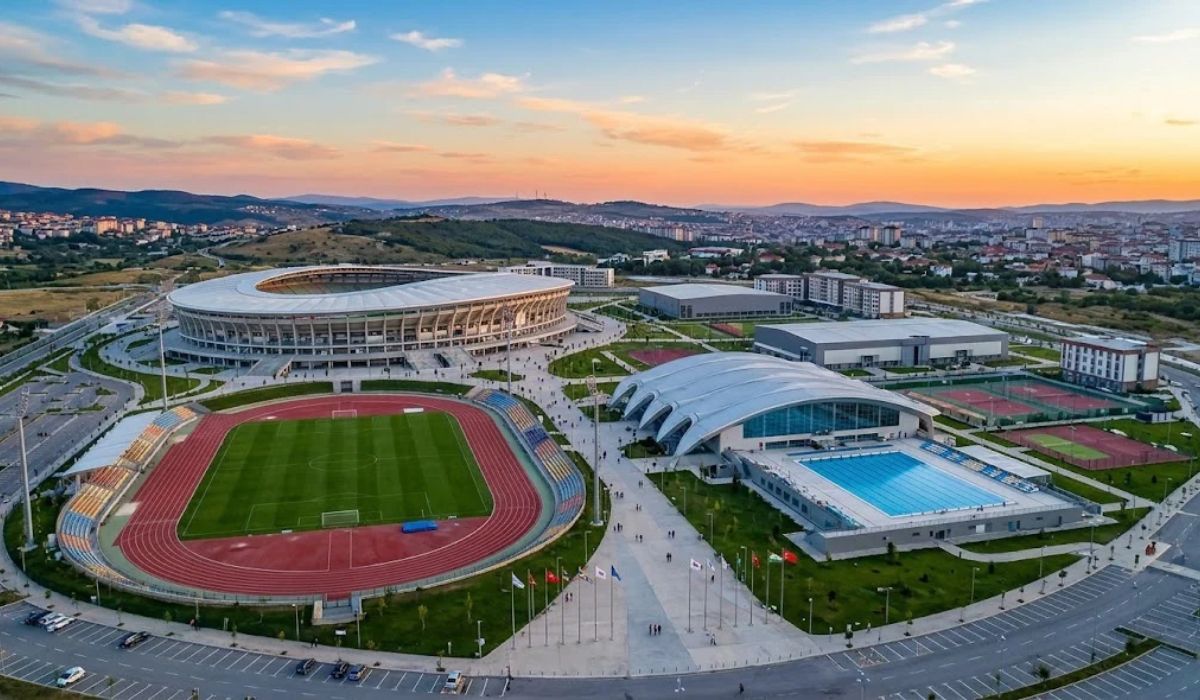
An Olympic sports complex typically includes a stadium, an athletics track, an Olympic swimming pool, indoor sports halls, outdoor fields and courts, plus stands, locker rooms and supporting infrastructure. The full list varies with the project's purpose, the sports hosted and the size of the site.
21/10/2026
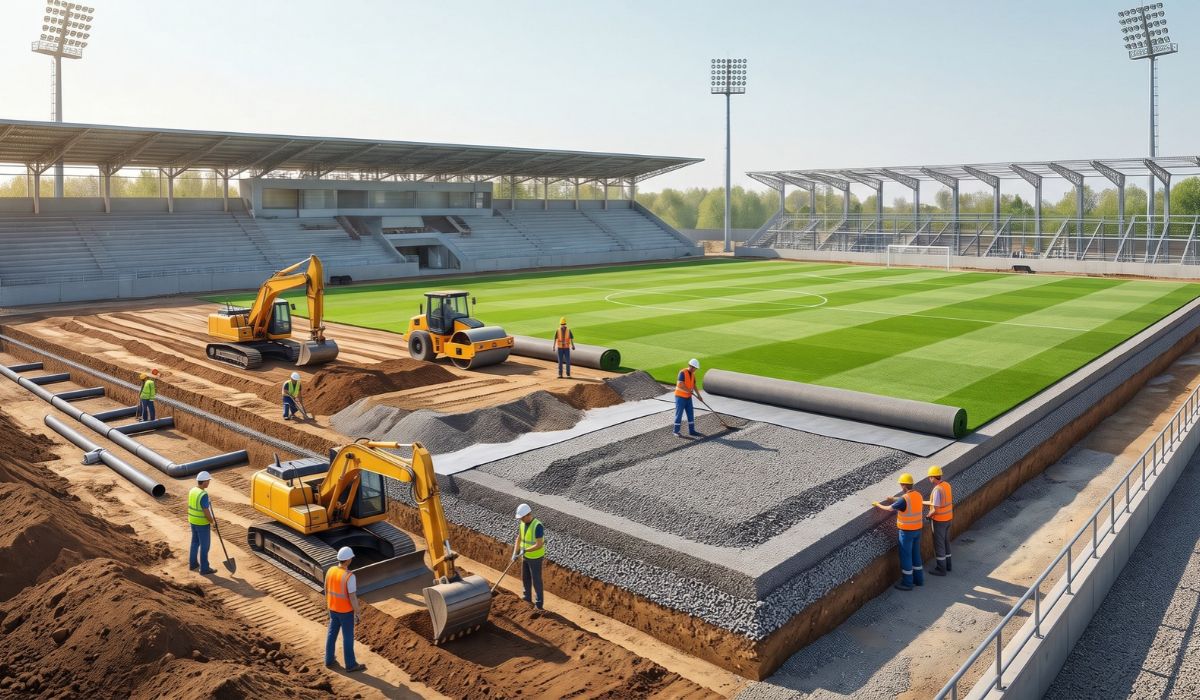
Football field base construction involves a soil survey, excavation and grading, drainage lines, compacted crushed stone load-bearing layers and a smooth fine-grading layer. Artificial, natural or hybrid turf is then installed on top. Layer thicknesses vary with the soil, the project design and the product manufacturer's specification.
15/10/2026
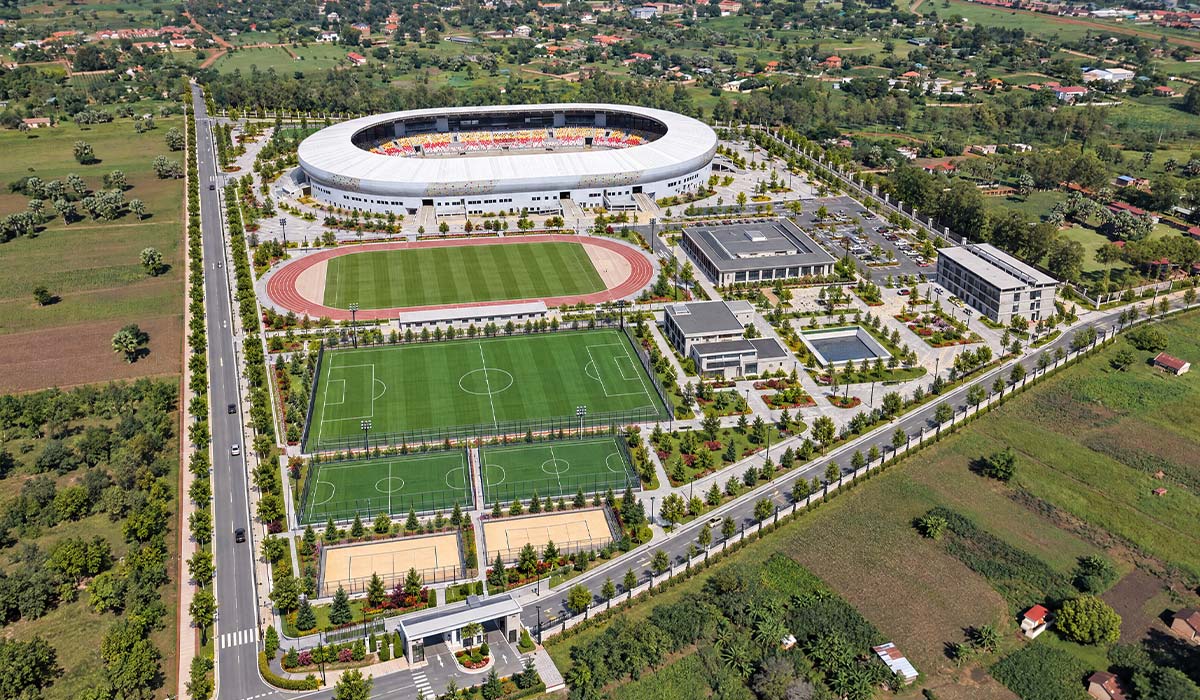
Bring irrigation, lighting, energy, and security together in a single system with AI-powered smart stadium construction. Discover smart transformation with Integral Spor.

09/09/2026
Flag football is heading to the Olympics in 2028. Here is what investors need to know about field dimensions, construction requirements and the factors that drive cost.
08/09/2026
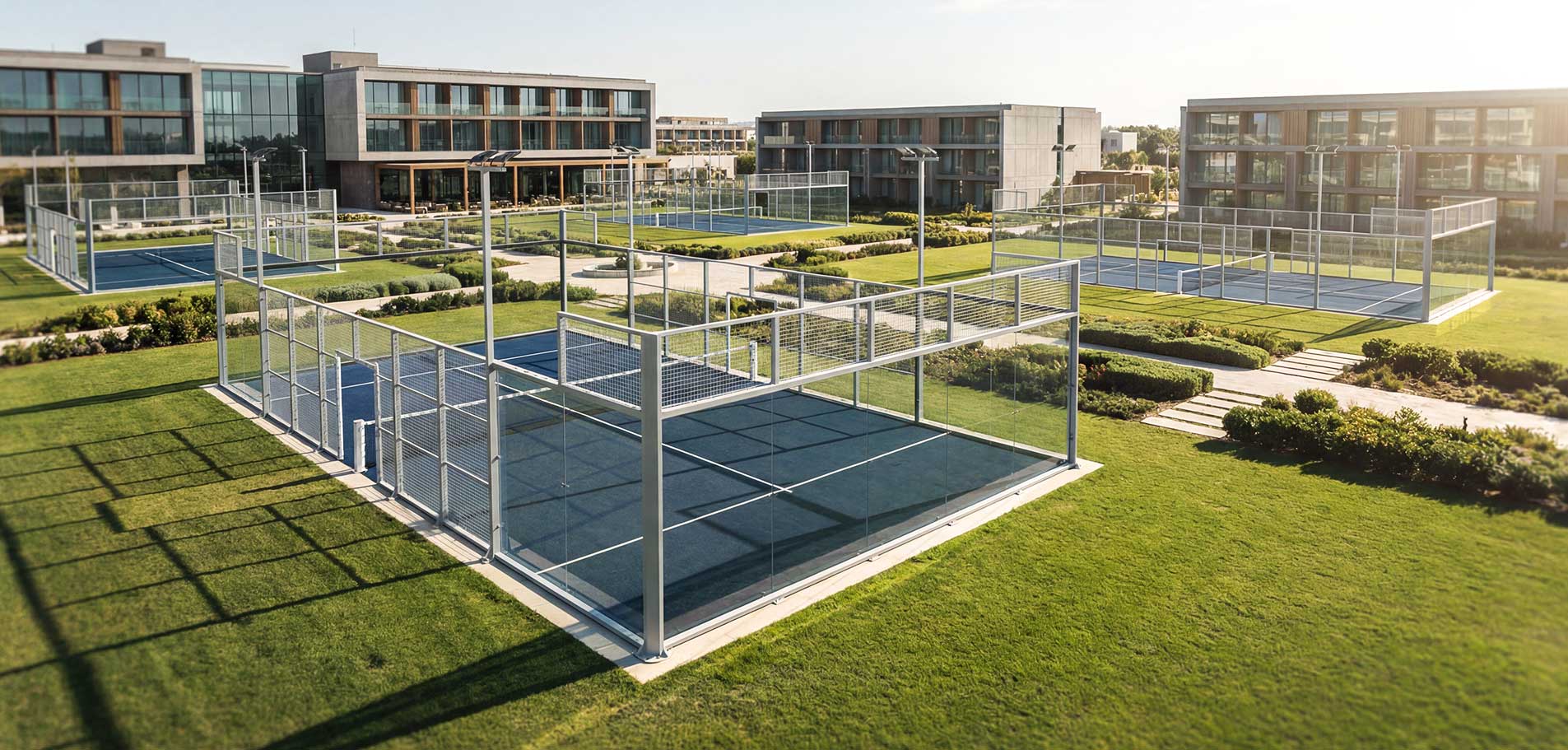
Converting an unused tennis court into a padel court turns space you already own into a new investment opportunity. Here is how the conversion works, what it costs, and which court type fits your site.
19/08/2026
Renovation, modernization and capacity expansion for existing sports facilities, from stadiums to indoor arenas. Discover how the right engineering can take your venue to the next level.