








Modern Stadium Construction & Renovation Solutions
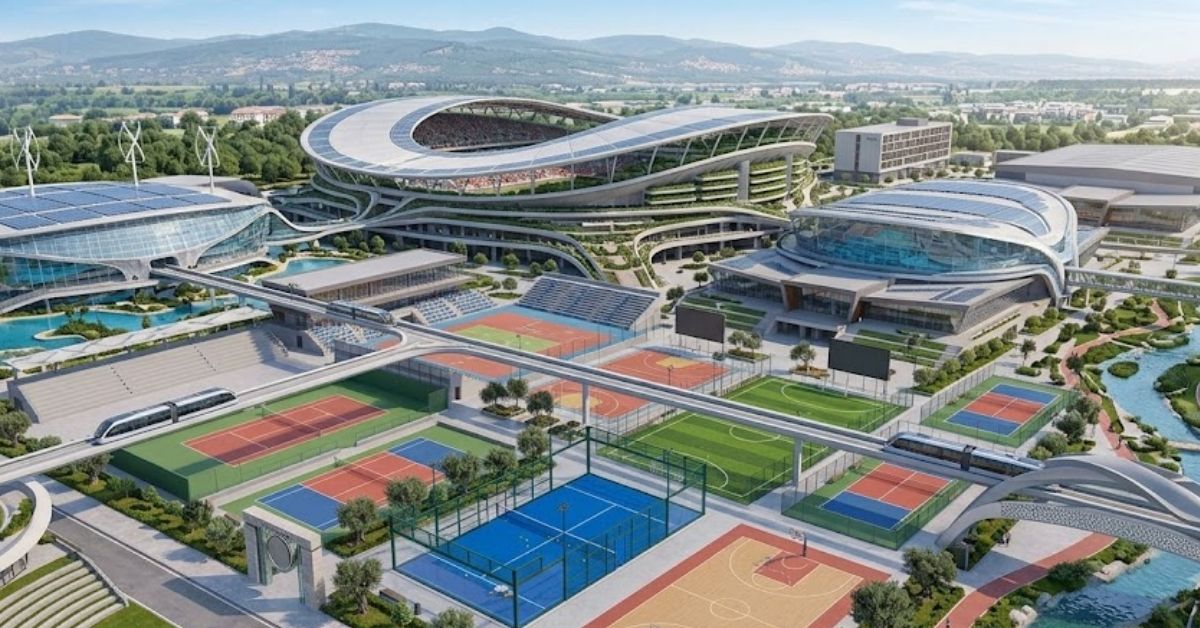
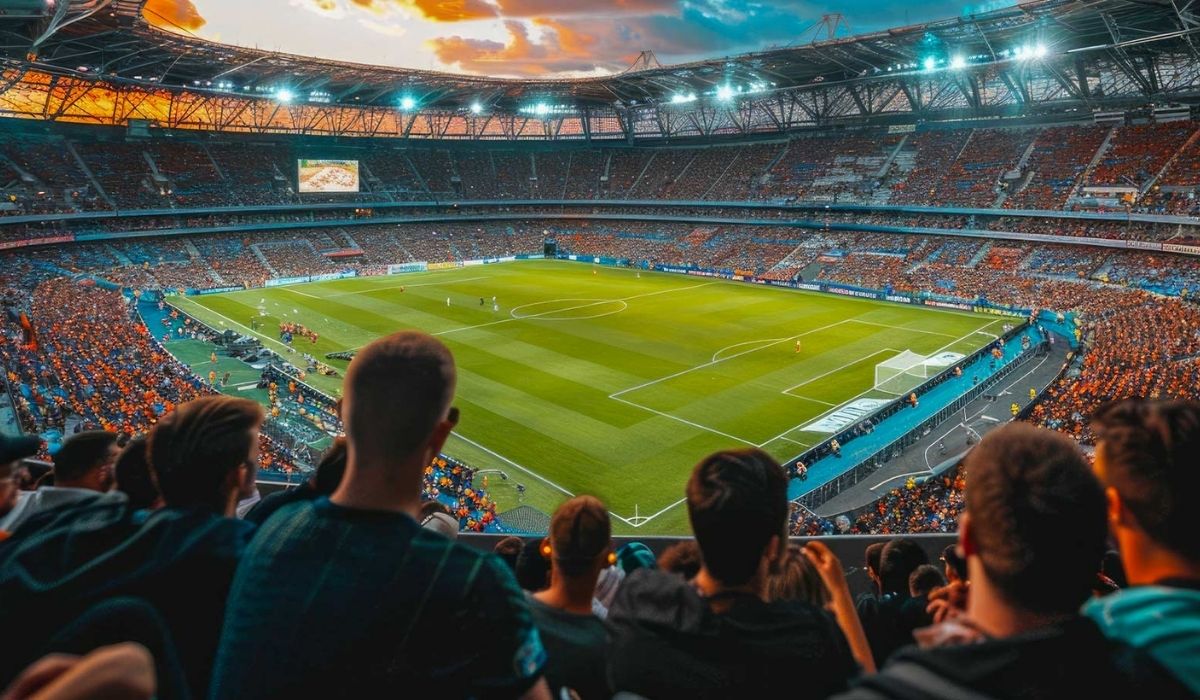
Sports facilities are no longer limited to being venues where matches are played. They have evolved into iconic structures that represent cities and serve multiple purposes while meeting high international standards. At the center of this transformation is stadium construction, which is now approached with advanced engineering solutions, contemporary architectural design, and a strong focus on user experience. Modern stadiums must simultaneously provide comfort and functionality for athletes, spectators, media representatives, and event organizers.
When planning a stadium project, key factors such as capacity, location, transportation infrastructure, security systems, and sustainability must be evaluated with a holistic perspective. Stadiums designed and built in accordance with international standards offer significant long-term benefits, both in sporting success and economic value. At this point, a well-planned stadium also contributes to the social and cultural development of its surrounding region.
Planning and Design Process in Stadium Construction
The first step in modern stadium construction is accurately identifying the needs of the project. Factors such as the types of sports to be hosted, spectator capacity, VIP areas, press tribunes, athlete locker rooms, and technical spaces must be carefully planned. In addition, accessibility for people with disabilities, emergency evacuation scenarios, and safety standards are integral components of the design process.
During the architectural design phase, functionality is considered just as important as aesthetics. Elements such as viewing angles from the stands, acoustic performance, and exposure to sunlight and wind directly influence the spectator experience. At the same time, modern stadiums are expected to harmonize with their urban environment and contribute positively to the cityscape. For this reason, stadium construction is not only a technical process but also a strategic design endeavor.
Technical and Engineering Solutions in Stadium Building
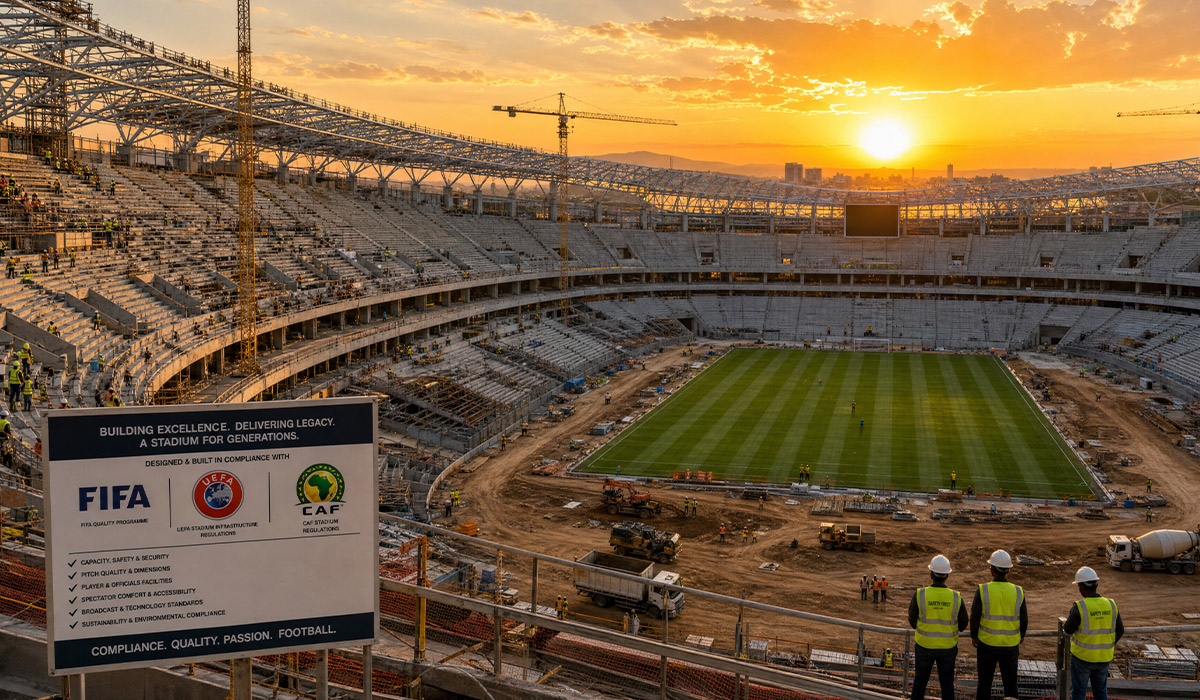
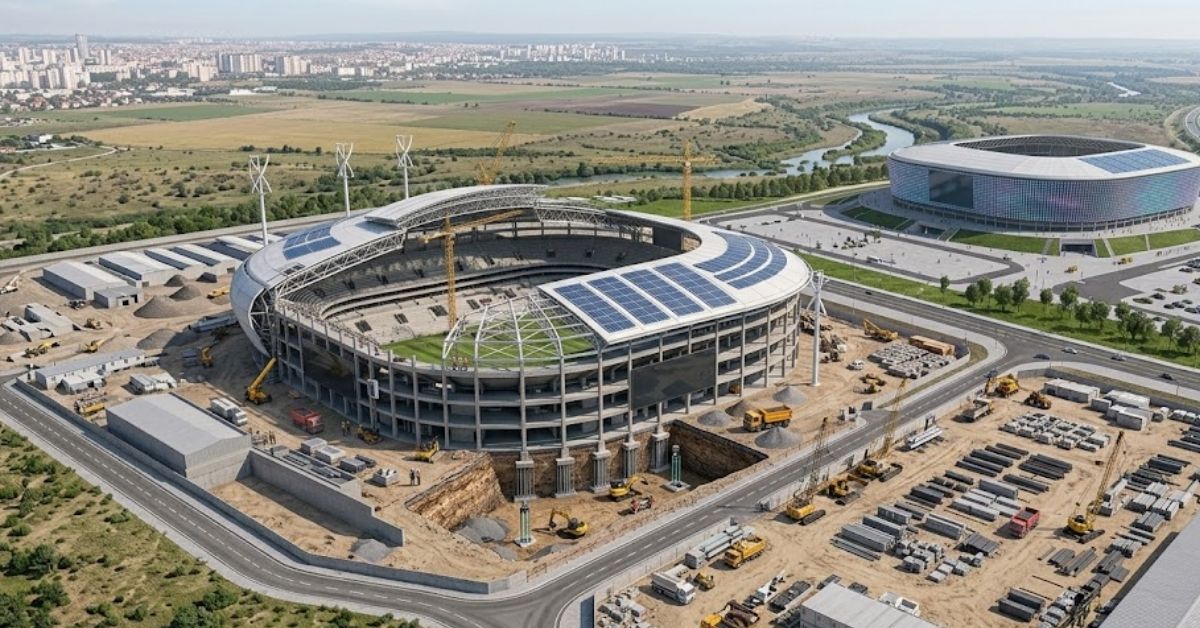
Stadium building requires advanced structural systems that vary depending on the scale and intended use of the project. Steel construction systems allow for wide-span structures, while prefabricated concrete elements offer time and cost efficiency. Soil analysis, structural calculations, and compliance with earthquake regulations are critical to ensuring the safety and durability of the stadium.
Technological infrastructure is another essential component of modern stadium building. Lighting systems, LED screens, sound systems, surveillance cameras, and security networks must be integrated into the project from the early stages. In addition, energy-efficient solutions help reduce long-term operational costs while supporting environmental sustainability.

6000 Seats Stadium Projects and Their Advantages
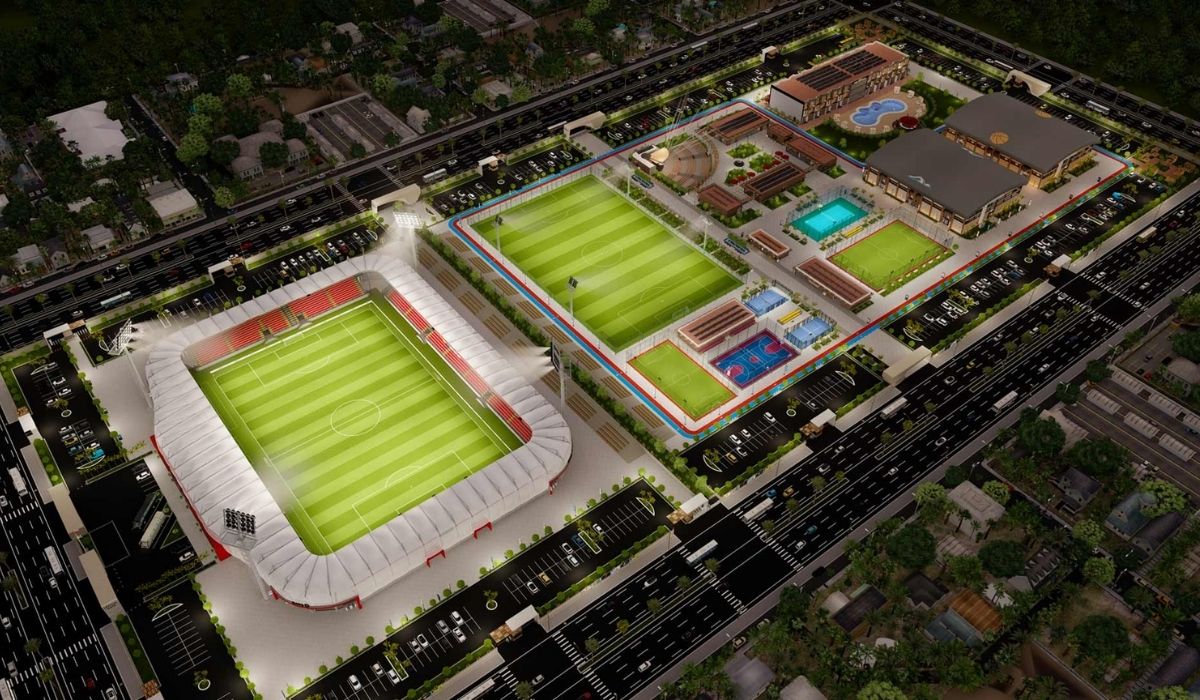
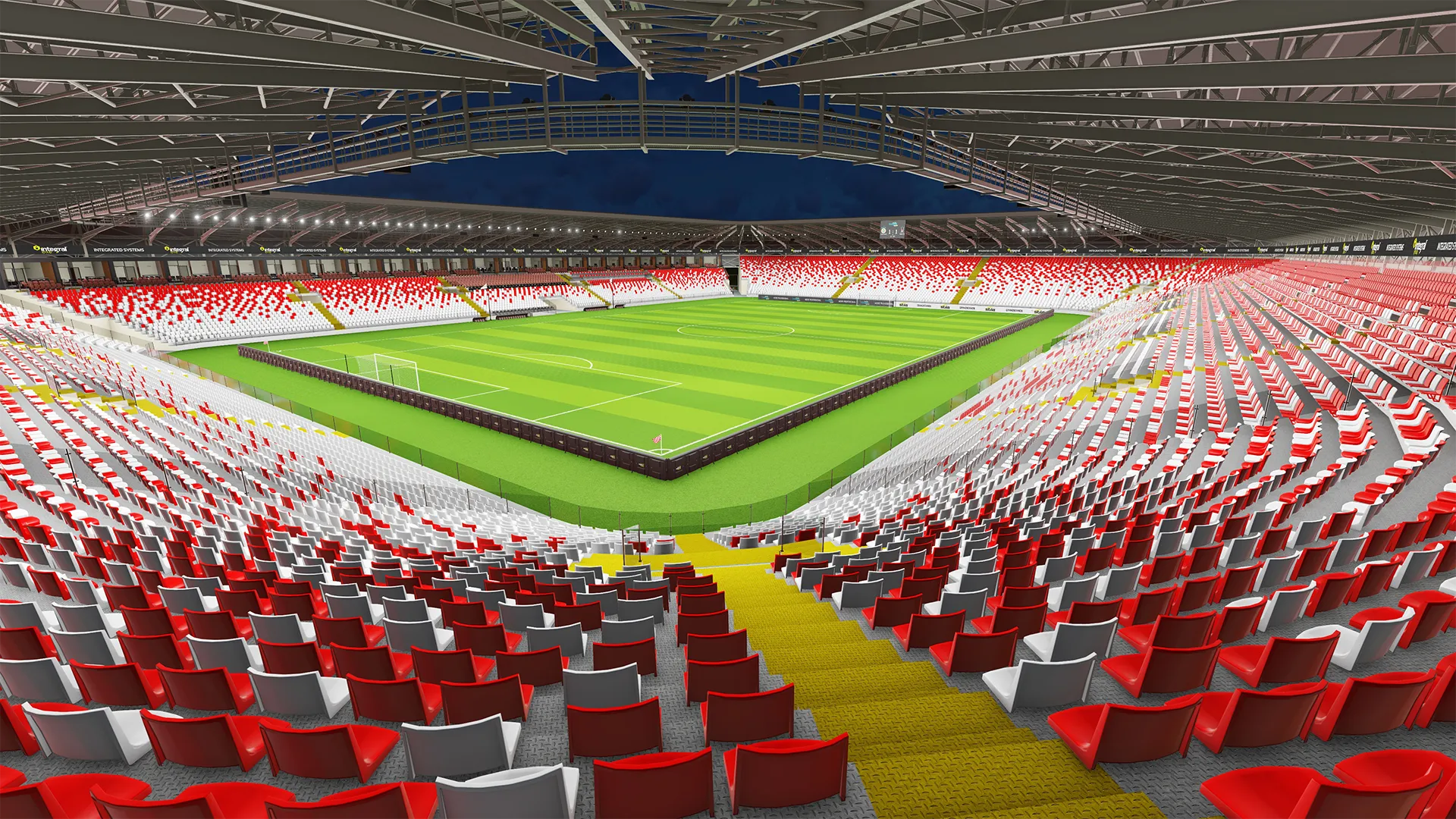
For developing regions and local leagues, 6000 seats stadium projects provide an ideal solution. This capacity level is both financially accessible and sufficient to support regional sports activities. A well designed 6000 seats stadium can meet the infrastructure requirements necessary to host national and international sporting events.
Modular design principles are often prioritized in projects of this scale. This approach allows for future capacity expansion or the addition of new functional spaces if needed. Furthermore, lower maintenance and operating costs make 6000-seat stadium projects particularly attractive for public investments and municipalities.
The Importance of Stadium Renovation
Stadium renovation projects have become an essential requirement for adapting existing facilities to modern standards. Over time, structural elements wear out, seating areas become outdated, and technological systems fall behind current expectations. Comprehensive renovation projects aim to upgrade these aspects efficiently.
The primary goal of stadium renovation is to enhance functionality and safety without completely demolishing the existing structure. Improvements focus on spectator comfort, energy efficiency, and visual aesthetics. When carried out with a professional approach, renovation projects extend the lifespan of the facility while making it more attractive for sporting organizations and events. Detailed information about such solutions can be found through stadium renovation services.
The Future of Modern Stadiums
The stadiums of the future are shaped by digitalization and sustainability-oriented solutions. Smart stadium concepts stand out with mobile applications that enhance spectator experience, contactless entry systems, and environmentally friendly construction materials. These innovations continue to redefine modern stadium construction and push industry standards forward.
Stadium projects that are well-planned, built according to high engineering standards, and designed to meet long-term needs make significant contributions to both the development of sports and the branding value of cities. Therefore, processes such as stadium construction, stadium building, and stadium renovation should always be handled with a comprehensive and professional approach by experienced teams.
Other News

09/09/2026
Flag football is heading to the Olympics in 2028. Here is what investors need to know about field dimensions, construction requirements and the factors that drive cost.
08/09/2026
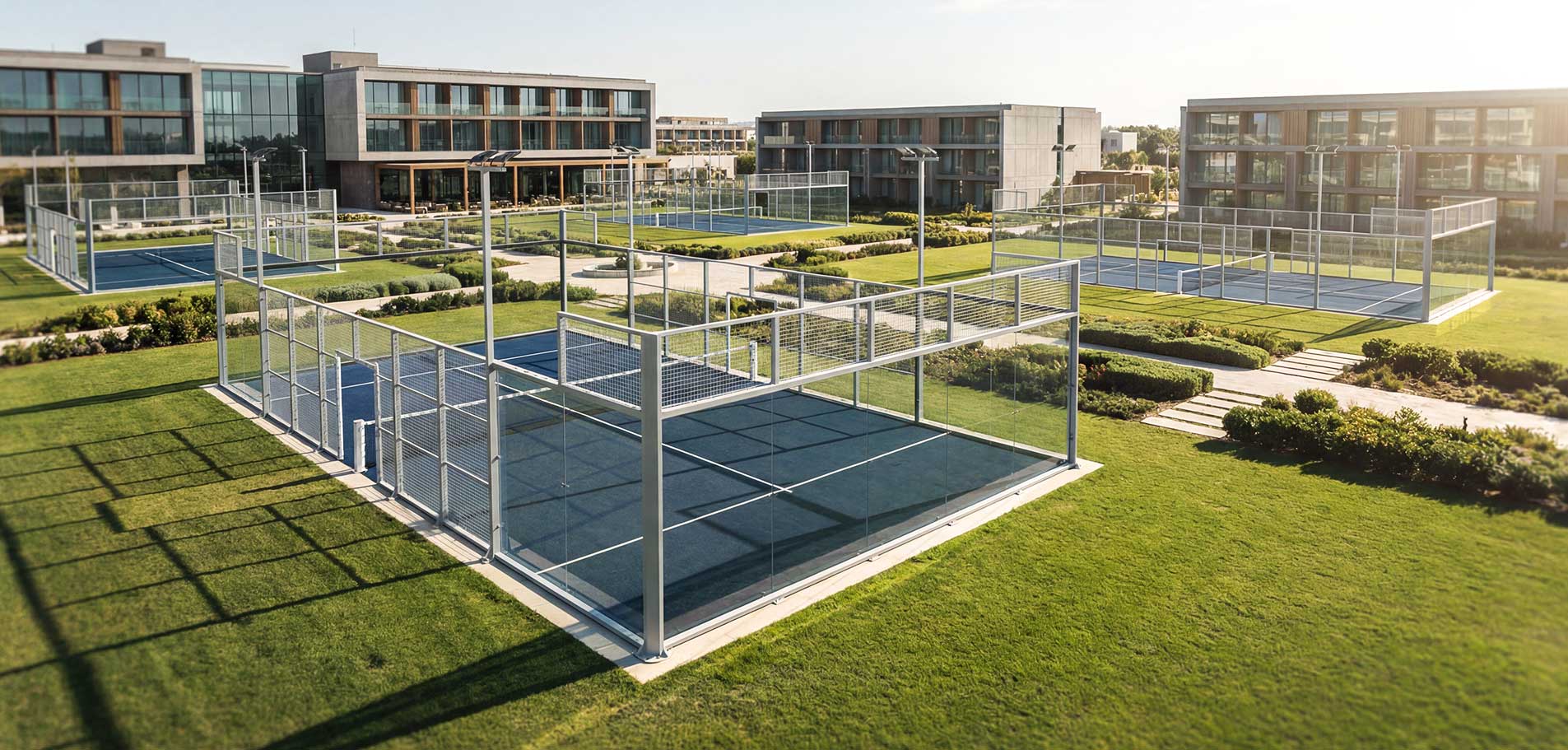
Converting an unused tennis court into a padel court turns space you already own into a new investment opportunity. Here is how the conversion works, what it costs, and which court type fits your site.
19/08/2026
Renovation, modernization and capacity expansion for existing sports facilities, from stadiums to indoor arenas. Discover how the right engineering can take your venue to the next level.