








Football Pitch Construction with Hybrid Grass
Creating an ideal football pitch requires a careful evaluation of many factors, from design and size to the type of turf used. Hybrid turf has gained popularity in recent years as an excellent option for football pitches, combining the benefits of both natural and synthetic grass. In this blog post, we will explore various aspects of constructing a football pitch with hybrid turf, highlighting its advantages, construction processes, and maintenance tips.
Types of Football Pitches
When it comes to football pitches, there are several types to consider:
-
Natural Grass Football Pitch: The traditional choice for football pitches. It offers a classic playing experience but can suffer from wear and tear due to weather conditions and intensive use.
-
Artificial Turf Football Pitch: Made entirely of synthetic materials, this pitch surface requires minimal maintenance and ensures consistent playing conditions throughout the year. However, it can heat up in sunny weather and lacks the feel of natural grass.
-
Hybrid Turf Football Pitch: Combining natural grass with synthetic fibers, hybrid turf offers durability while preserving the aesthetic and playing characteristics of natural grass. These types of pitches are ideal for high-traffic areas and can manage various weather conditions effectively.
Football Pitches and Their Dimensions
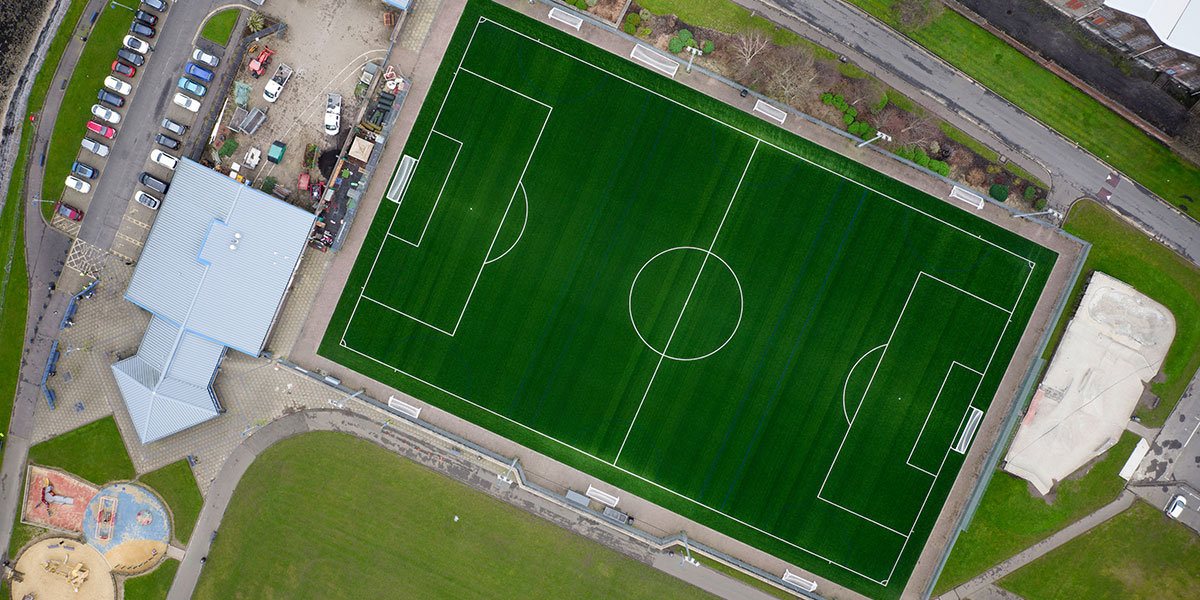
The dimensions of football pitches vary depending on the level of play and the regulations of governing bodies. Here are some common dimensions:
-
Professional Matches: Generally, the length ranges between 100 and 110 meters, and the width varies between 64 and 75 meters.
-
Youth and Amateur Leagues: Dimensions can be highly variable; smaller pitches can be as small as 45 by 30 meters or even less.
Hybrid turf can be adapted to a pitch of any size, making it a versatile option for different levels of play and various types of facilities.
The Importance of Hybrid Turf on Football Pitches
The importance of hybrid turf in football pitch construction cannot be ignored. Here are a few reasons why this option is preferred:
-
High Durability: Hybrid turf can withstand more playing traffic and adverse weather conditions than natural grass. This means an uninterrupted and more consistent playing surface.
-
Less Maintenance: The combination of natural grass and synthetic fibers requires less maintenance compared to traditional turf. Clubs can save time and money on maintenance while maximizing pitch usage.
-
Consistent Playing Quality: Hybrid turf provides a smooth playing surface by offering reliable conditions for players, regardless of weather changes. This consistency can enhance player performance.
-
Environmental Sustainability: Many hybrid turf systems use recycled materials, reducing environmental impacts. Furthermore, they generally require less water and fewer chemicals, making them eco-friendly.
Hybrid Turf vs. Natural Grass
When comparing hybrid turf to natural grass, there are several factors to consider:
-
Playing Quality: Hybrid turf offers a more consistent and reliable surface, especially in poor weather conditions. Natural grass can become uneven and muddy, which affects the game.
-
Maintenance Requirements: Natural grass requires regular mowing, watering, and fertilizing. Hybrid turf, on the other hand, requires less maintenance, which can significantly reduce operating costs over time.
-
Aesthetic Appeal: Many players love the look and feel of natural grass. However, high-quality hybrid turf can closely mimic natural grass and offers a visually appealing playing surface.
-
Cost: The initial installation costs of hybrid turf can be higher than those of natural grass. However, long-term savings in maintenance and repairs can make hybrid turf a more cost-effective option over time.
Step-by-Step Football Pitch Construction
Constructing a football pitch with hybrid turf involves several critical steps:
-
Site Assessment: Begin with a comprehensive inspection to evaluate the site's drainage, soil quality, and existing vegetation.
-
Design Planning: Develop a detailed design that includes pitch dimensions, drainage systems, and additional features (seating areas, lighting, etc.).
-
Excavation Works: Clear the area of existing soil, stones, and vegetation. Check that the ground is level and ready for base installation.
-
Base Installation: Create a stable base using gravel or crushed stone to provide proper drainage and prevent the risk of sinking over time.
-
Hybrid Turf Installation: Lay out the hybrid turf, ensuring that the edges overlap to achieve full coverage.
-
Infill Material Application: Spread infill materials, such as sand or rubber granules, to support the turf fibers and provide cushioning for players.
-
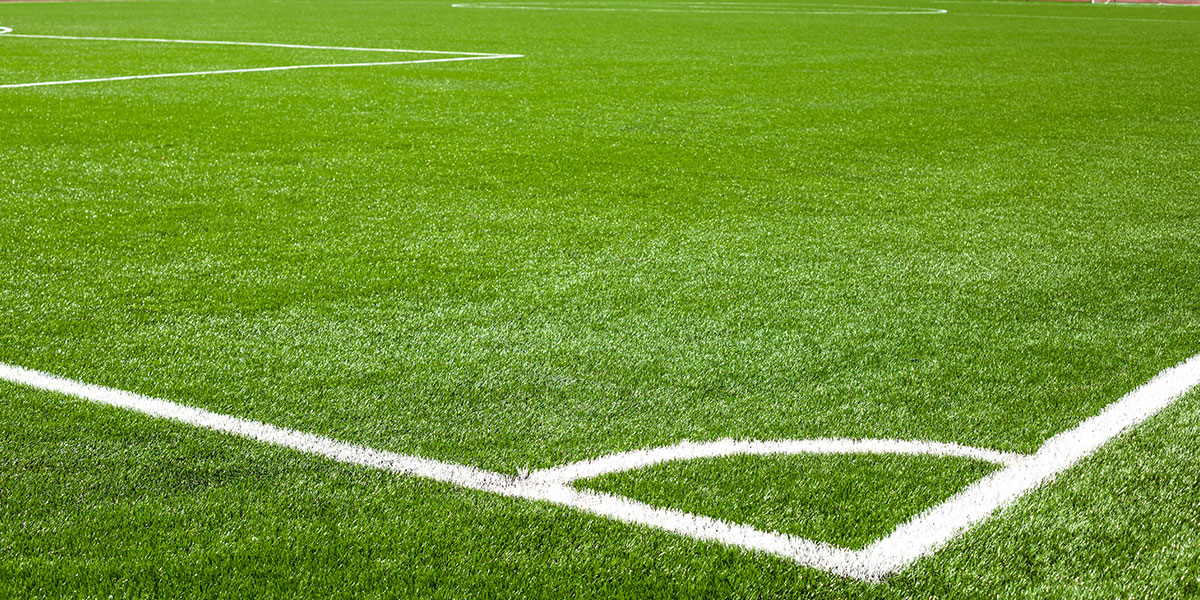
Final Touches: Complete the installation process with line markings, goals, and surrounding facilities, ensuring the pitch meets all specifications.
Hybrid Turf Application Phases
The application of hybrid turf follows specific phases to ensure a successful installation:
-
Preparation: Clear the area of debris and prepare the ground to ensure proper drainage and leveling.
-
Installation: Roll out the hybrid turf, secure it as required, and make sure it overlaps correctly.
-
Infill Distribution: Distribute the infill materials evenly across the pitch to secure the turf fibers and provide stability.
-
Compaction: Use a roller machine to compact the surface, thereby achieving a flat and well-supported surface.
-
Final Touches: Install the goals, corner flags, and other necessary drainage systems for effective water management.
Hybrid Turf Maintenance Tips
To keep your hybrid turf pitch in optimum condition, pay attention to the following maintenance tips:
-
Regular Cleaning: Regularly clean debris, leaves, and trash from the pitch to prevent mold and moss formation.
-
Brushing: Regularly brush the surface to keep the turf fibers upright and prevent compaction.
-
Infill Maintenance: Periodically check and top up the infill materials to ensure proper support and cushioning are maintained.
-
Routine Inspections: Conduct regular checks for signs of wear and tear and resolve issues quickly to maintain the pitch's quality.
-
Professional Service: Consider seeking help from professionals for deep cleaning and specialized maintenance to extend the lifespan of your hybrid turf pitch.
Integral Spor and the Football Pitch
As Integral Spor, we specialize in the construction and installation of high-quality football pitches using hybrid turf. Our experienced team focuses on delivering customized solutions that meet the unique needs of each client. By working meticulously on durability, sustainability, and playability, we ensure your football pitch exceeds expectations.
In conclusion, constructing a football pitch with hybrid turf offers many advantages, such as enhanced durability and reduced maintenance. By understanding the different types of pitches, dimensions, and construction processes, clubs can make informed decisions that benefit both the players and the organization. Trust Integral Spor for all your football pitch needs, and experience the exceptional difference that hybrid turf provides!
Other News
23/10/2026
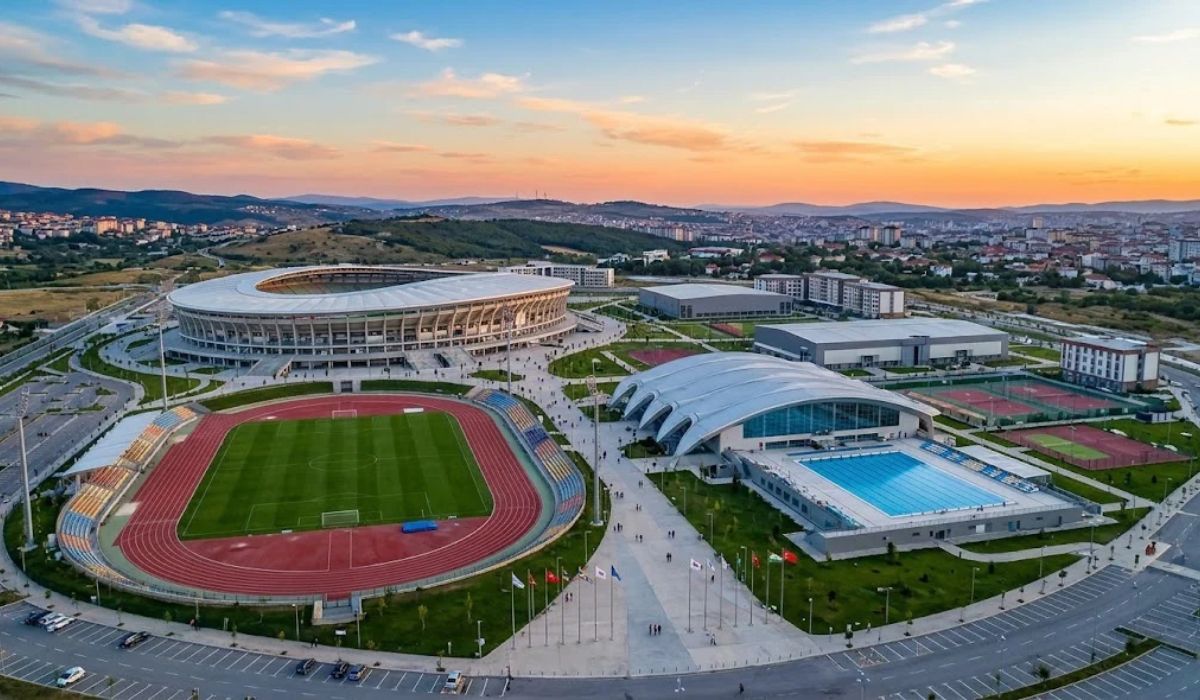
An Olympic sports complex typically includes a stadium, an athletics track, an Olympic swimming pool, indoor sports halls, outdoor fields and courts, plus stands, locker rooms and supporting infrastructure. The full list varies with the project's purpose, the sports hosted and the size of the site.
21/10/2026
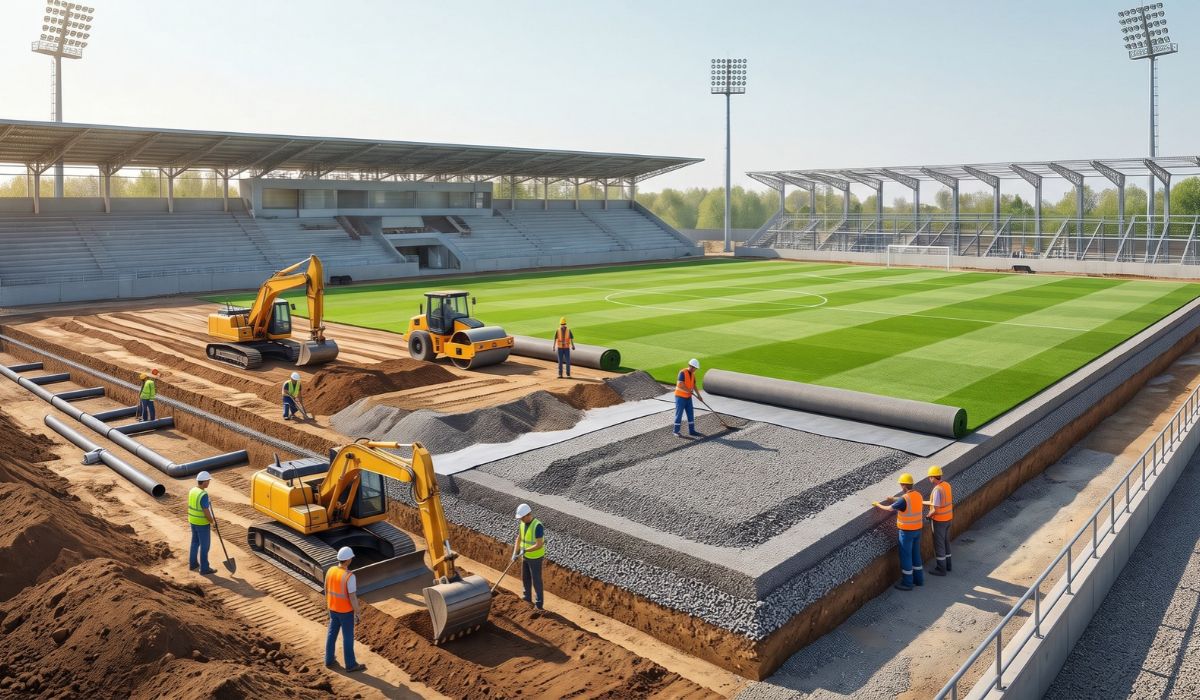
Football field base construction involves a soil survey, excavation and grading, drainage lines, compacted crushed stone load-bearing layers and a smooth fine-grading layer. Artificial, natural or hybrid turf is then installed on top. Layer thicknesses vary with the soil, the project design and the product manufacturer's specification.
15/10/2026
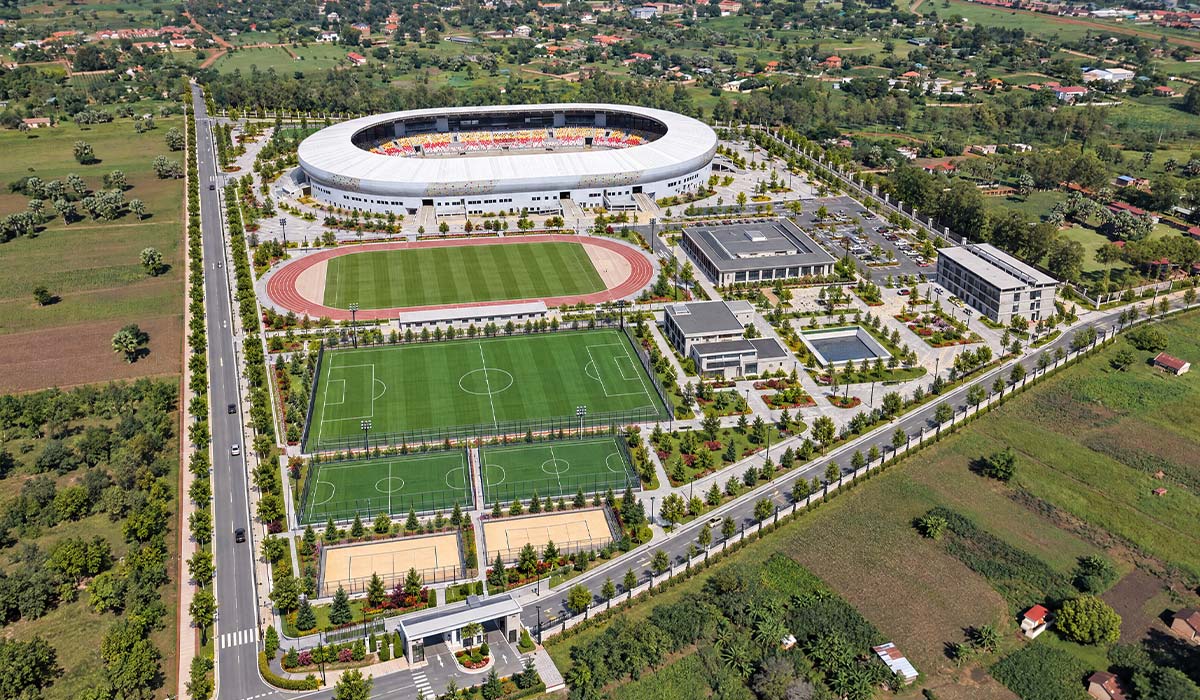
Bring irrigation, lighting, energy, and security together in a single system with AI-powered smart stadium construction. Discover smart transformation with Integral Spor.

09/09/2026
Flag football is heading to the Olympics in 2028. Here is what investors need to know about field dimensions, construction requirements and the factors that drive cost.
08/09/2026
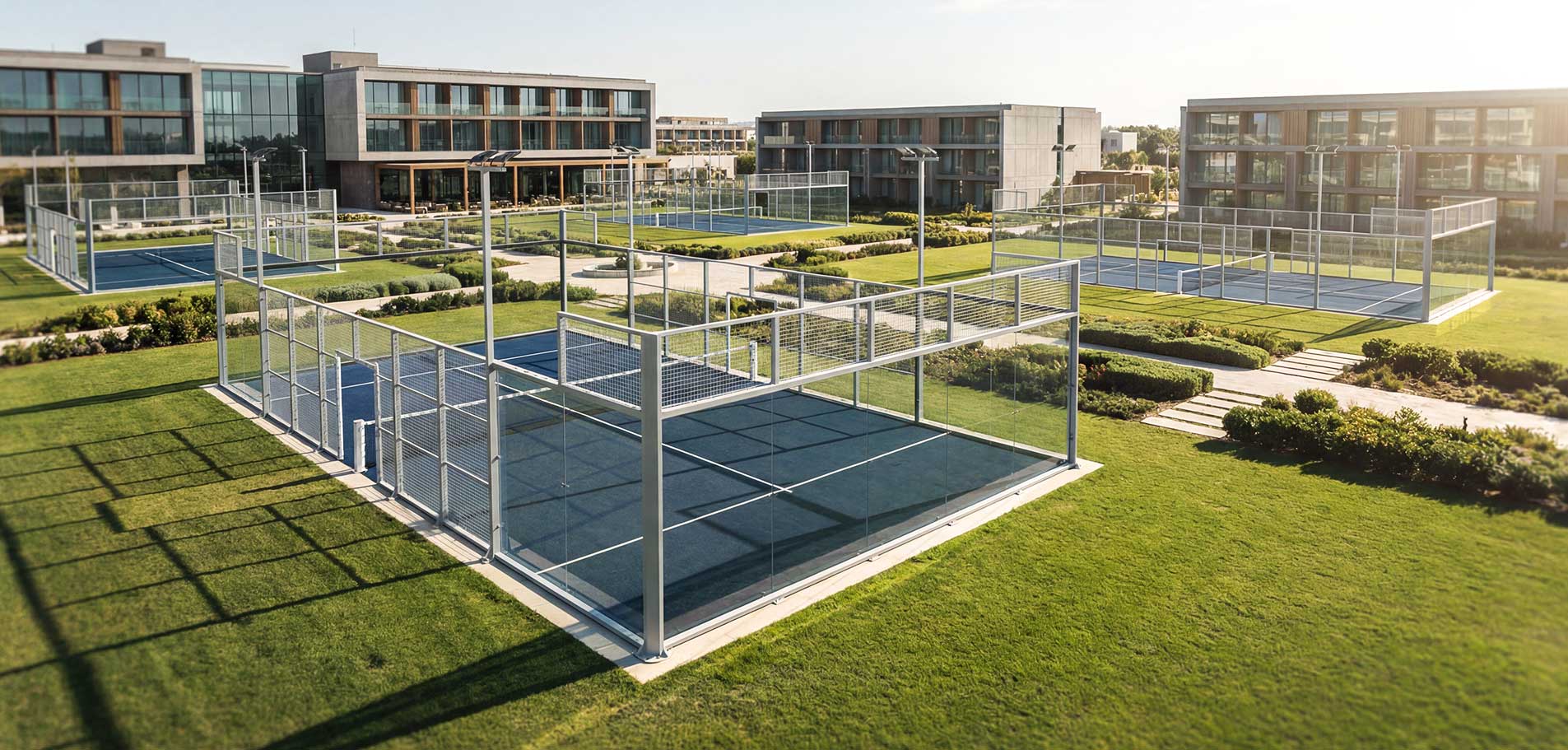
Converting an unused tennis court into a padel court turns space you already own into a new investment opportunity. Here is how the conversion works, what it costs, and which court type fits your site.
19/08/2026
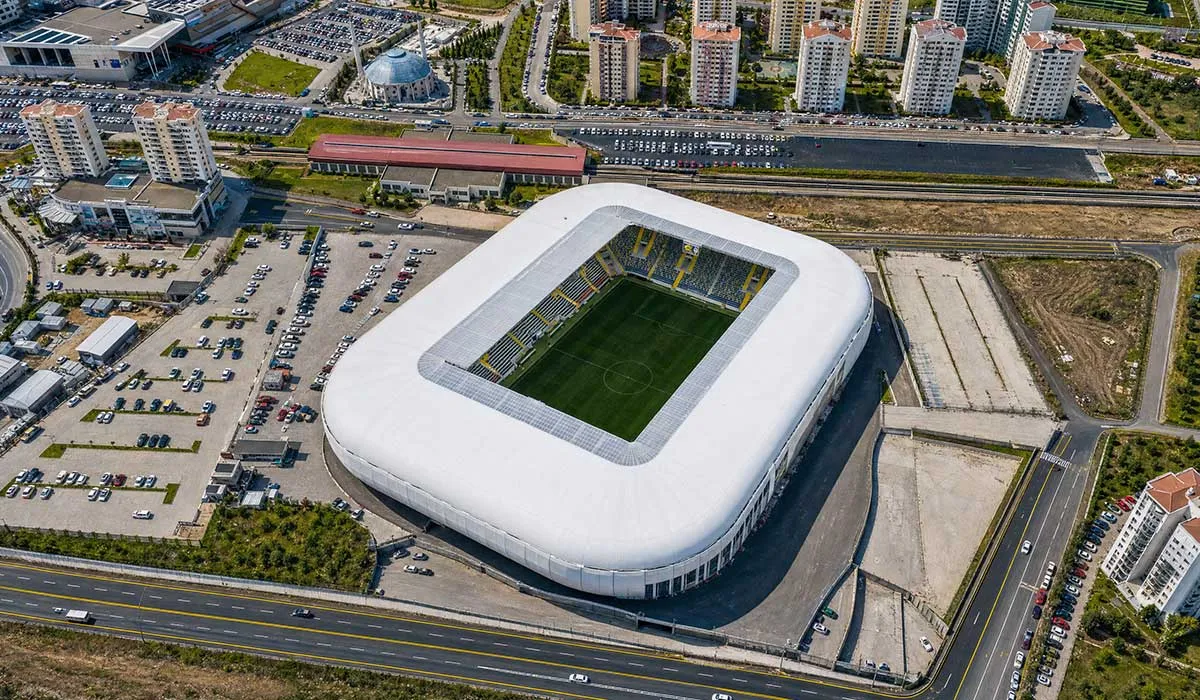
Renovation, modernization and capacity expansion for existing sports facilities, from stadiums to indoor arenas. Discover how the right engineering can take your venue to the next level.